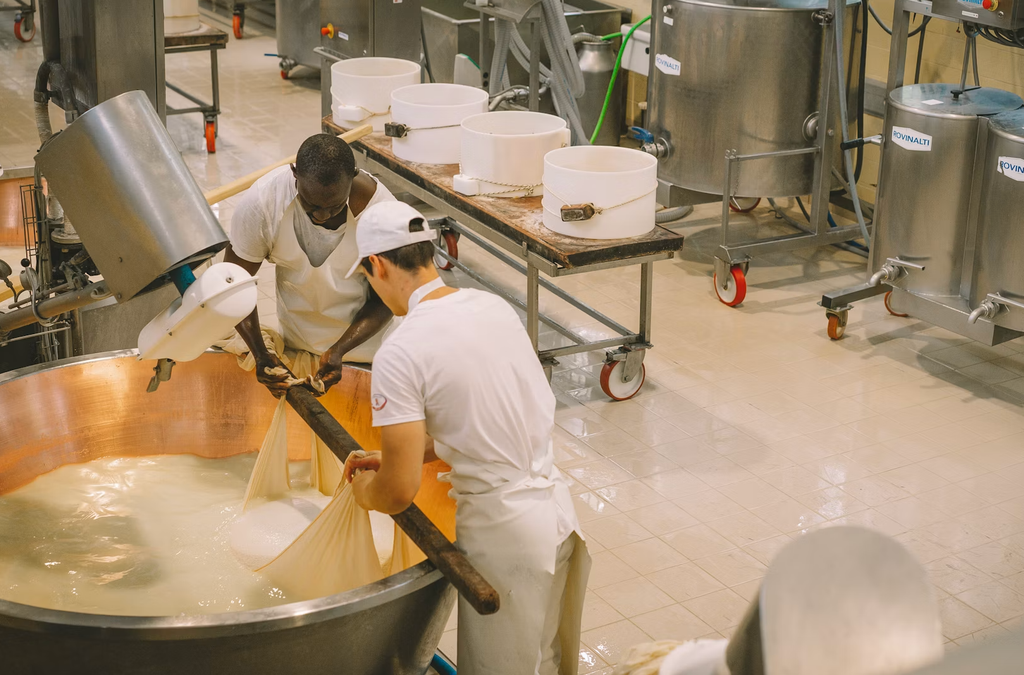
Food and beverage does not always get its due credit as a backbone of American commerce. New numbers reveal over 39,000 processing plants across the country, employing close to 2.1 million people.
Many F&B brands have shaped popular culture for decades. Coca-Cola gave us “Share a Coke,” while McDonald’s turned “I’m Lovin’ It” into global shorthand.
Of course, public attention can move the other way too. Sometimes, a single offhand remark from a CEO can spiral into a full-blown PR crisis, like Kellogg’s infamous 2024 cereal-for-dinner comment. Critics compared the remark to Marie Antoinette’s famously attributed “let them eat cake” line, while #BoycottKelloggs gained traction across TikTok.
The point is, strong PR is never built on one lucky campaign. It comes from consistent effort, protected and renewed over time. This article explores three proven PR strategies F&B brands have relied on over the years.
Give the Media a Story, Not a Product Pitch
A new flavor or a redesigned package can feel like a big deal inside the office. To a journalist, though, it won’t stand alone as news. What makes a story worth covering usually sits outside the product itself.
Changing eating habits, regional cravings, ingredient trends or even pricing pressures tend to catch attention faster. Brands that lead with this broader context give reporters an actual reason to write. The product can still show up naturally once that bigger story pulls readers in.
Wendy’s did this well with its 2024 “Frosty Fix” campaign. Instead of simply promoting Frostys, the brand focused on a very familiar frustration of broken McDonald’s ice cream machines.
Using data from McBroken.com, Wendy’s sent Frosty trucks straight to those locations. The stunt grew into a full media story, earning 1.17 billion earned media impressions and 1.3 million organic social impressions. Creating a PR campaign like this requires extensive legwork.
Start by looking at search trends, customer feedback, sales patterns and seasonal behavior around the launch. See what consumers are already discussing, then find a clear connection to the product. Give reporters useful numbers, expert commentary, local relevance or a timely cultural hook. Most importantly, avoid forcing a trend simply because it is popular.
Use Transparency to Strengthen Public Confidence
Food and beverage brands carry a different kind of responsibility compared to most other industries. What they sell goes directly into people’s bodies, so trust is the real currency here. A single safety lapse can undo years of goodwill within days, and news of it can spread like wildfire across social media.
This is why transparency around food safety carries more weight in this space than in almost any other. People want proof, not promises, especially with how often recalls make headlines lately.
A 2026 GS1 US survey of 1,000 American adults found that 94% worry about how frequently food recalls occur. Concern can linger beyond a single incident, especially when consumers feel they are missing basic information.
There are a couple of ways F&B brands can establish a stronger sense of trust with their audience. Since safety is one of the biggest concerns, publishing food safety audit results with corrective actions and follow-up status can go a long way. Brands such as Chipotle are already making their inspection and third-party audit programs publicly visible.
This level of openness is especially useful for packaged-food manufacturers, where sanitation concerns can quickly affect confidence. Facility cleanliness can reflect the wider food safety culture, notes Fayette Industrial. Showing how standards are checked gives people evidence before reassurance is ever needed.
Treat Crisis Communication as Everyday PR Work
A PR crisis can hit practically any brand, and food and beverage is no exception. The Kellogg’s example mentioned earlier was only one of many moments this industry has faced over the years.
F&B is a heavily regulated industry, but regulatory compliance alone cannot protect a brand from public scrutiny. One dent in confidence can quickly bring customers, journalists, regulators, and investors into the same conversation.
Look at the 2026 infant formula scandal. Foodwatch filed a criminal complaint over how several manufacturers, including Nestlé, handled recalls linked to cereulide contamination.
Products were withdrawn across more than 60 countries, while Nestlé shares fell nearly 10% in January. The company disputed parts of Foodwatch’s account and said it had acted quickly after confirming the contamination.
Whether those allegations are ultimately proven is not the discussion here. Even brands following established procedures can face backlash after supplier failures, labeling errors, conflicting data, or poorly timed communications.
So how should brands handle the moment a crisis breaks? During a crisis, being fast and truthful beats sounding perfectly rehearsed. Crisis communications specialist Paul MacKenzie-Cummins advises brands to “Tell it first, tell it factually, tell it clearly… and tell it fast.”
At the same time, responding quickly does not mean responding endlessly. Jessica Whidt, APR, managing director at Warner Communications, offers a useful balance here. As she wrote in a 2025 PRSA article, “silence breeds mistrust,” yet she also cautions that over-communicating can stretch a story out longer than needed.
A constant stream of updates will only keep the story alive in the news cycle. And that’s the last thing brands should strive for when trying to subdue negative press.
FAQs
How much can a PR crisis actually cost an F&B brand?
Costs typically climb through lost sales, legal fees, stock dips, and long-term damage to brand trust. The final impact often depends on how quickly a brand responds, how transparent it stays, and how long the story remains in the news cycle.
What is the difference between PR and marketing for food brands?
Marketing focuses on promoting products directly through ads, offers, and campaigns designed to drive sales. PR shapes how a brand is perceived over time, relying on earned media, public trust, and relationships built with journalists rather than paid placements or direct promotion.
Can smaller F&B brands use these same PR strategies?
Yes, these strategies aren’t limited by size or budget. Smaller brands can pitch relevant story angles, publish clear safety information, and respond quickly during a crisis. In many cases, they can move faster than larger competitors because fewer approval layers stand between a decision and a public response.
Key Article Data at a Glance
| Data Point | Figure |
| U.S. food and beverage processing plants | Over 39,000 |
| People employed by the sector | About 2.1 million |
| Wendy’s Frosty Fix earned media impressions (2025, Adweek) | 1.17 billion |
| Americans worried about food recall frequency (GS1 US, 2026) | 94% |
Stay Relevant Without Losing the Plot
Good PR tends to feel effortless from the outside, but there is usually plenty of thought behind it. The strongest F&B brands stay useful, responsive, and culturally aware without chasing every headline. They know when to speak, when to listen, and when to let a good story breathe. Over time, these choices shape how people remember the brand.
Consumer memory can be surprisingly resilient when it has been built with care. Keep the relationship with your audience active, give people reasons to stay curious, and make communication part of how the business operates every day.